Implant-Supported Bridges in Delray Beach
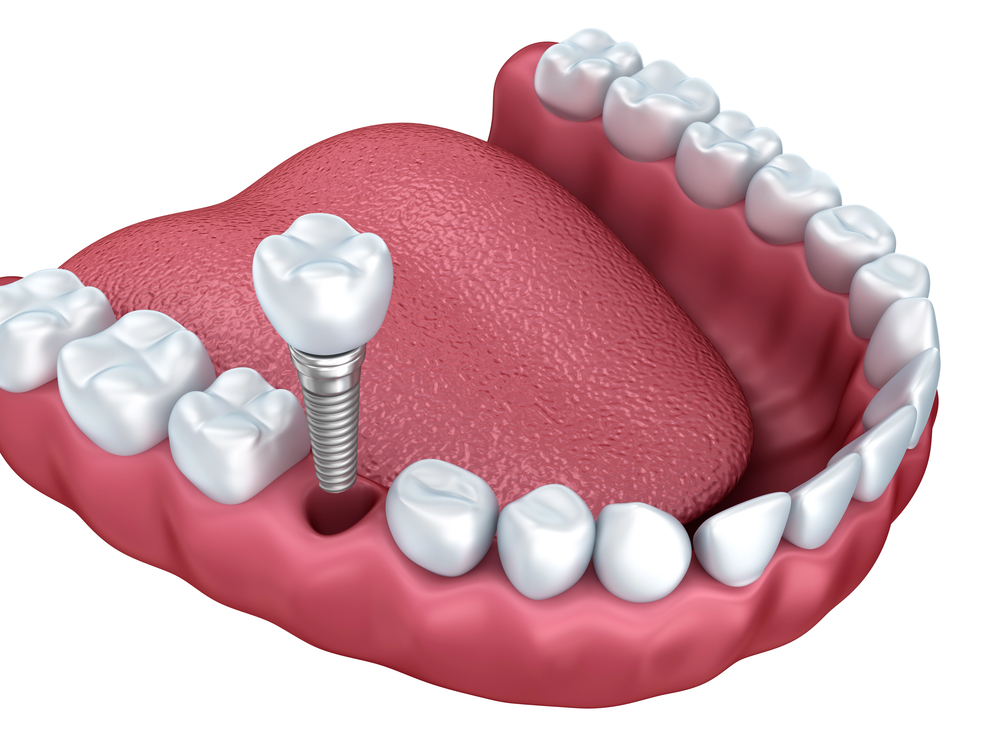
Losing two or three teeth in a row changes more than your smile. Chewing shifts to one side, nearby teeth start to drift, and the jawbone under the gap slowly loses volume because nothing is stimulating it anymore. An implant-supported bridge addresses all of that at once by anchoring the replacement teeth to the bone itself rather than to the teeth on either side. For our Delray Beach patients, it is one of the most practical ways to replace a span of missing teeth and keep the rest of the mouth stable.
An implant-supported bridge replaces several teeth in a row using dental implants as the foundation. Instead of grinding down healthy neighboring teeth to serve as supports, we place titanium implant posts in the jawbone at each end of the gap. Once those posts integrate with the bone, a custom bridge is secured on top. The replacement teeth sit where your natural teeth were, and the bite forces travel down through the implants into the bone the way they are supposed to.
The difference matters day to day. A traditional bridge rests on the gumline, and the bone underneath continues to shrink. An implant-supported bridge keeps that bone working. It also stays put — no adhesive, no removing it at night, no adjusting how you eat around it. Patients who have lived with a removable partial often tell us the biggest change is simply not thinking about their teeth anymore.
We see several distinct situations in our Delray Beach patient base. The most common is a person who lost one tooth years ago, never replaced it, and then lost the teeth beside it as the bite shifted and the area became harder to clean. Another is someone whose existing bridge has failed because decay developed under a crown on a supporting tooth. A third is a patient with advanced gum disease who needs several compromised teeth removed in the same section of the mouth and wants a fixed replacement rather than a partial denture.
Candidacy comes down to bone, gum health, and the condition of the rest of your mouth. As a periodontal practice, we evaluate the gum tissue and bone first, because implants depend entirely on that foundation. If gum disease is active, we treat it before anything else. If bone volume is thin or has receded under a long-standing gap, we may recommend bone grafting or ridge augmentation to rebuild the site. Those are procedures we perform here, so you are not sent elsewhere to prepare for treatment you will have with us. We also see patients directly — no referral is required to schedule a consultation.
What the Process Involves
Treatment begins with a consultation and imaging so we can see bone height, width, and the position of nerves and sinuses. From there we map out where the implants go, how many are needed, and whether any grafting or extractions come first. You will know the sequence and the timeline before we start.
Here is what the typical course of care looks like:
- A diagnostic visit with imaging, a periodontal evaluation, and a written treatment plan
- Any preparatory work — gum disease treatment, extractions, bone grafting, or ridge augmentation
- Surgical placement of the implant posts, usually two or more depending on the span
- A healing period while the implants fuse with the bone
- Impressions and fabrication of the bridge, supported by our on-site dental lab
- Final placement, bite adjustment, and instructions for home care
Having a lab in our office shortens the back-and-forth on fit and shade, which is a real convenience for Delray Beach patients who would otherwise be making extra trips for adjustments.
Aftercare and Long-Term Maintenance
Implants do not decay, but the gum and bone around them can still develop inflammation if plaque builds up at the margins. Daily brushing, cleaning under the bridge with the tools we show you, and regular professional care are what protect your investment.
We provide implant maintenance as an ongoing part of our practice. These visits are different from a routine cleaning — we check the tissue around each implant, look for early signs of bone loss, verify the bridge is still seated and the bite is even, and clean the implant surfaces with instruments that will not scratch them. Catching irritation early is far simpler than treating it later.
Payment and Financing
We are an out-of-network, fee-for-service office and do not take insurance. We welcome self-pay and cash patients, and we quote your treatment in full before you commit so there are no surprises mid-course.
If you carry dental benefits, we file claims as a specialist on your behalf, which can help you recover whatever your plan allows. Our team will walk through the full cost, the sequence of visits, and your payment options at the consultation — call us to schedule.