Services
Implant-Supported Bridges
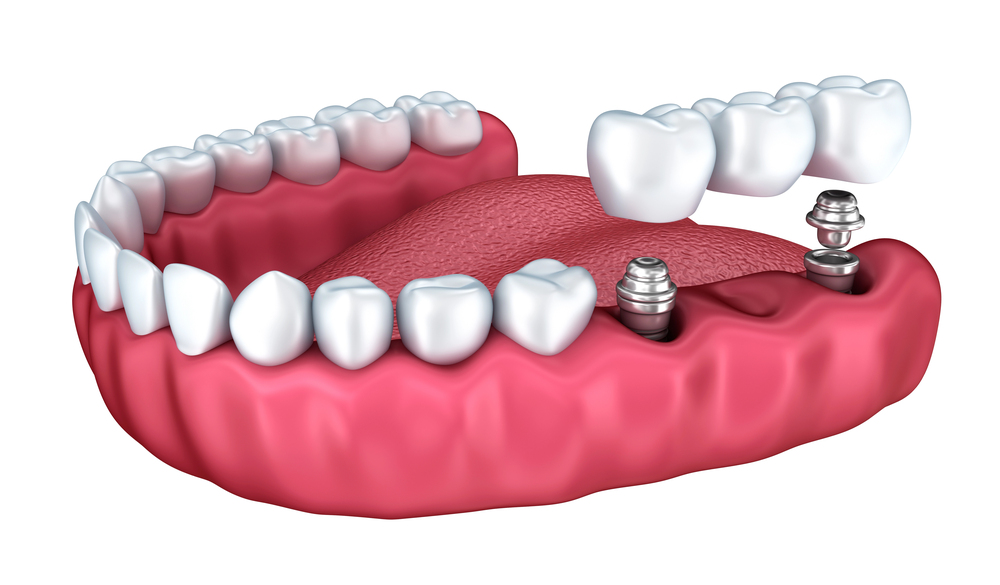
We replace several missing teeth in a row with implant-anchored bridges, crafted with help from our on-site lab.
Why choose us
Benefits of Implant-Supported Bridges
Replace Several Teeth
An implant-supported bridge fills a gap of multiple missing teeth with a single, secure restoration.
Protects Neighboring Teeth
Because the bridge rests on implants, we don't have to reshape your healthy adjacent teeth.
Supports Your Jawbone
The implant posts stimulate the bone underneath, helping preserve the shape of your jaw and face.
On-Site Dental Lab
Our in-house lab lets us fine-tune the fit and look of your bridge without long outside delays.
Specialist-Level Care
A board-certified periodontist on our team places your implants, and you don't need a referral to see us.
Losing two, three, or four teeth in a row changes more than your smile. Chewing shifts to one side, certain foods quietly disappear from your diet, and neighboring teeth begin to drift into the open space. A traditional bridge solves the gap by leaning on the teeth beside it, which means grinding down healthy enamel to serve as anchors. An implant-supported bridge takes a different approach: it stands on its own foundation, using dental implants placed directly in the jawbone to carry the replacement teeth. For many of the patients we see across Boca Raton, Deerfield Beach, Highland Beach, and Delray Beach, that difference is the deciding factor.
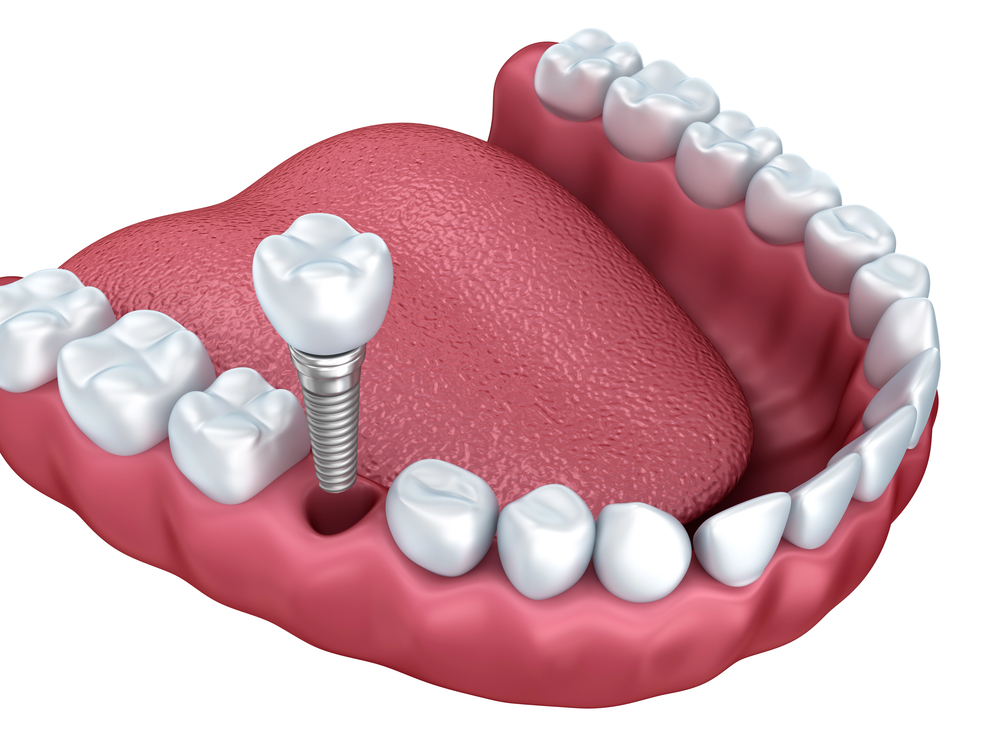
An implant-supported bridge replaces a run of missing teeth with a single connected restoration held by two or more implants. The implants act like tooth roots, integrating with the bone over a period of healing, and the bridge spans between them. Because the support comes from below rather than from the teeth on either side, your remaining natural teeth stay untouched.
This option tends to fit patients in a few recognizable situations. Some have lost a section of back teeth to fracture or long-standing decay and want to chew comfortably again without a removable partial. Others have advanced gum disease that cost them a group of teeth and are rebuilding after treatment. Some have an older bridge that has failed, along with the anchor teeth beneath it, and need a solution that does not repeat the same pattern. And some are simply tired of a partial denture that clasps, shifts, or has to come out at night. As a periodontal practice, we also care for patients who were never referred by another dentist — you are welcome to come to us directly.
Good candidacy starts with the foundation. We evaluate the health of your gum tissue and the volume and density of bone where the implants would go, since bone is what holds an implant securely. If you have lost bone after an extraction or from periodontal disease, that does not necessarily rule you out. We perform bone grafting and ridge augmentation to rebuild the site, and we offer periodontal regeneration to address bone loss caused by gum disease. Active infection is treated first; placing implants into unhealthy tissue sets up problems later.
We also look at the span itself — how many teeth are missing, where they sit in the arch, and how your bite comes together. That shapes how many implants are needed and where they are positioned. Our on-site dental lab is a real advantage during this stage, allowing close coordination on the design, shade, and fit of your bridge without sending work across the country and waiting. Our board-certified periodontist on staff handles the surgical planning and placement.
- Two or more implants supporting a connected span of replacement teeth
- No reshaping of the healthy teeth on either side of the gap
- A fixed restoration that stays in place rather than being removed nightly
- Stimulation of the jawbone in the area where the implants are placed
- Grafting and regeneration available when bone volume needs rebuilding
Healing, Aftercare, and Long-Term Results
After implant placement, the bone needs time to integrate with the implant surfaces. During that period we keep the area protected and monitor your healing. Once integration is confirmed, the bridge is fitted and adjusted so your bite distributes evenly across the restoration.
Caring for an implant-supported bridge is straightforward, but it is not the same as caring for natural teeth. The area beneath and around the bridge needs deliberate cleaning, and we show you exactly how to do it with the tools that work best for your particular design. We provide implant maintenance as an ongoing service, checking the tissue around each implant, the fit of the bridge, and the stability of the components. Because peri-implant tissue health is our specialty, these visits are a core part of how we protect your investment over the years. Consistent oral hygiene at home and regular professional care are what keep the result solid.
Payment and Scheduling
We are an out-of-network, fee-for-service practice and do not take insurance. We welcome self-pay and cash patients, and we will walk you through the full treatment plan and associated costs before anything begins, so you can make a decision with complete information. For patients with out-of-network benefits, we file claims as a specialist.
If you are living with a gap you have learned to work around, we would genuinely like to meet you. Call us to schedule a consultation — no referral needed — and we will look at your bone, your gums, and your goals, then explain honestly what is possible.
The process
What to expect
- 1
Consultation And Planning
We examine your gums and bone, talk through your goals, and map out a treatment plan that fits them.
- 2
Implant Placement
We place the implant posts and, once healing is complete, secure your custom bridge on top.
- 3
Ongoing Implant Maintenance
We see you for regular implant maintenance visits to keep your gums healthy and your bridge solid.