Gum Grafting in Highland Beach
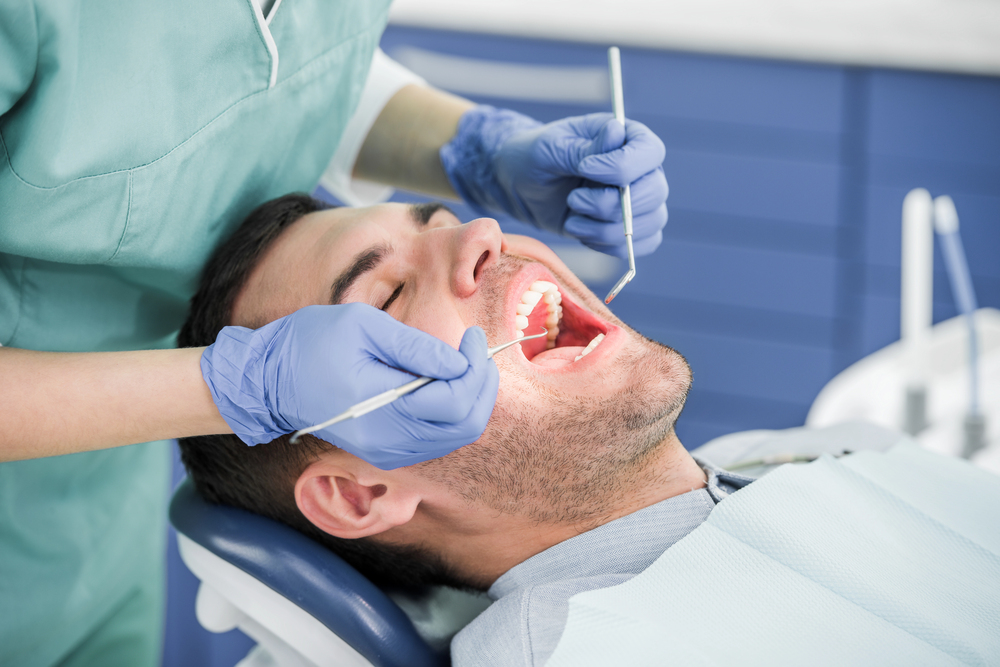
Receding gums rarely announce themselves. Most of the Highland Beach patients we see for gum grafting first noticed something small — a tooth that looked longer than it used to, a zing of sensitivity when drinking something cold, or a notch near the gumline they could feel with a fingernail. By the time recession is visible, the protective band of tissue that shields the root has already thinned. Gum grafting rebuilds that protection, and when it's done at the right moment, it can spare you from far more involved treatment later.
Gum grafting is a periodontal procedure that restores tissue where the gumline has pulled away from the tooth. Roots are not covered in enamel, so once they're exposed they're vulnerable to sensitivity, abrasion from brushing, decay, and continued recession. A graft places healthy tissue over the exposed area, where it integrates with the surrounding gum and re-establishes a durable seal around the tooth.
The tissue may be taken from your own palate or from a donor source, depending on how much coverage is needed, where the recession is, and the thickness of the tissue already present. Some cases involve a single tooth; others involve several adjacent teeth treated in one visit. Because our office is a periodontal practice with a board-certified periodontist on staff, grafting is a routine part of what we do rather than an occasional add-on — and that matters when a case requires judgment about graft type, coverage goals, and how the result will look against your neighboring teeth.
Highland Beach patients come to us for grafting from a range of starting points. Some have aggressive toothbrushing habits that have worn the gumline down over decades. Others have had periodontal disease that destroyed supporting tissue, or have thin gum tissue they inherited and have simply outgrown. Orthodontic movement, clenching, and ill-fitting restorations can all contribute as well.
You may be a candidate if you notice any of the following:
- Teeth that appear longer or more "notched" near the gumline
- Sharp sensitivity to cold air, cold drinks, or brushing
- Visible root surfaces, especially on canines and premolars
- Gums that look thin, translucent, or tender along a specific tooth
- Recession that has progressed noticeably in photos over a few years
Not every case of recession requires surgery. Part of our consultation is telling you honestly when watchful monitoring and a change in brushing technique is the better course. We also evaluate whether active gum disease needs treatment first, since grafting over inflamed tissue is not a stable foundation. If implants, crown lengthening, or bone grafting are part of your larger plan, we coordinate the sequence so each step supports the next. You do not need a referral from another dentist to be seen.
What the Procedure and Recovery Involve
Treatment begins with a thorough periodontal examination — measuring recession depth, assessing tissue thickness, checking bone levels, and reviewing your home care habits so we can identify the cause rather than just the symptom. We then walk you through the graft type we recommend and what the healing timeline looks like for your specific case.
The procedure itself is done with local anesthesia. The site is prepared, the graft tissue is positioned over the exposed root, and it's secured with fine sutures. Most patients are surprised by how manageable it is. Afterward, you'll eat soft, cool foods for a stretch of days, avoid brushing the surgical site while it knits, and use whatever rinse or medication we prescribe. We'll ask you to skip vigorous exercise briefly and to leave the area alone so the new tissue can establish its blood supply. Follow-up visits let us check integration and remove sutures. Because Highland Beach sits between the other communities we serve — Boca Raton, Delray Beach, and Deerfield Beach — those short post-op check-ins are easy to fit into a normal week rather than built around a long drive.
Paying for Treatment Without Surprises
We are an out-of-network, fee-for-service office and do not take insurance. We welcome self-pay and cash patients, and we believe the trade-off is worth explaining: treatment decisions are based on what your tissue actually needs, not on what a plan is willing to authorize. As a periodontal specialty practice, we file insurance claims as a Specialist, which means patients with out-of-network benefits can submit for whatever reimbursement their plan allows.
Before anything is scheduled, you'll receive a clear written treatment plan with costs laid out in full. If grafting is one piece of a broader plan involving implants or regeneration, we'll show you how the phases can be sequenced over time. Our on-site dental lab also keeps restorative work moving efficiently when a graft is part of a larger reconstruction. If recession is bothering you, a consultation is the practical first step — call our office to arrange one.