Ridge Augmentation in Highland Beach
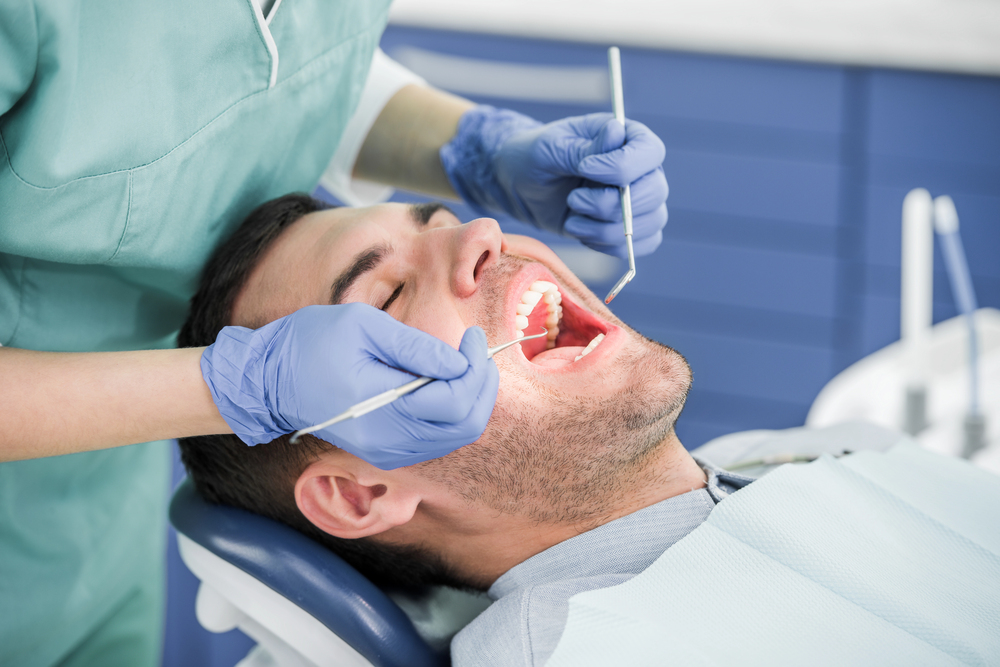
When a tooth is removed, the bone that once held it in place begins to shrink. Over months and years, the jaw ridge — the arch of bone that supports your teeth — can narrow and flatten until there isn't enough width or height left to hold a dental implant securely. Ridge augmentation rebuilds that ridge. We use grafting material to restore the shape and volume of the bone, creating a stable foundation for implants and a more natural contour under the gums. For Highland Beach patients who have been told they "don't have enough bone" for implants, this is often the procedure that changes the answer.
Ridge augmentation is a bone grafting procedure focused specifically on the alveolar ridge, the bony arch where tooth roots sit. After an extraction, the socket collapses inward as the body resorbs bone it no longer needs. The result can be a visible dent in the gumline, a knife-edge ridge too thin for an implant, or a ridge too short to allow proper implant length. Grafting material is placed in the deficient area and protected while your own bone grows into and replaces it.
There are two common timing scenarios. Ridge preservation happens at the time of extraction — we place graft material into the socket immediately to limit the shrinkage before it starts. Ridge augmentation after the fact rebuilds bone that has already been lost, sometimes years later. Both are performed here, and because we have a board-certified periodontist on staff, we handle the full arc of treatment: grafting, implant placement, and ongoing implant maintenance, without sending you elsewhere mid-treatment.
Highland Beach patients come to us at very different stages. Some are planning a single implant to replace one missing molar. Others are considering full arch restoration — All-on-4, All-on-6, or All-on-X — and need the ridge shaped and strengthened before implants can be positioned correctly. Some have worn a removable denture for years and have noticed it fitting more loosely over time, which is often a direct sign of ridge resorption.
Gum disease is another common pathway. Advanced periodontal disease destroys the bone around teeth, so patients who have lost teeth to infection frequently need both periodontal treatment and grafting before implants are realistic. We also treat ridge defects for cosmetic reasons — a collapsed ridge under a bridge can leave an obvious hollow, and rebuilding it supports a more natural-looking restoration.
- Restores bone width and height so implants can be placed securely
- Prevents or corrects the visible collapse in the gumline after tooth loss
- Improves the fit and support of implant-supported bridges and dentures
- Makes full arch implant treatment possible for patients previously told they weren't candidates
- Preserves facial contour in the jaw and lip area
What the Procedure Involves
Treatment begins with an evaluation of your ridge, your remaining teeth, and your goals. We assess how much bone is present, where the deficiency is, and whether grafting can be combined with implant placement or needs to happen first. You don't need a referral from another dentist to be seen — you can schedule with us directly.
The procedure itself involves opening the gum tissue over the deficient area, placing graft material, often covering it with a protective membrane, and closing the site with sutures. Healing time varies with the size of the graft; smaller sites integrate faster than large reconstructions. Once the graft has matured into solid bone, we place the implant and restore it. Our on-site dental lab supports the restorative side of this work, keeping fabrication and adjustments under one roof.
Aftercare and Healing
Expect some swelling and tenderness for the first several days. We'll give you specific instructions covering diet, oral hygiene around the site, and any prescribed medications. Soft foods, avoiding pressure on the graft, and keeping the area clean without disturbing the sutures are the main priorities early on.
We schedule follow-up visits to confirm the site is healing as expected and to remove sutures. Since bone grafts mature over months rather than weeks, periodic checks matter. Once implants are placed, we continue with implant maintenance to protect the bone we worked to rebuild — peri-implant tissue needs ongoing professional care the same way natural teeth do.
Scheduling and Payment for Highland Beach Patients
We serve Highland Beach alongside Boca Raton, Delray Beach, and Deerfield Beach, so appointments are convenient for patients throughout the area. Ridge augmentation and implant treatment usually involve several visits over time, and we work to group and sequence them sensibly.
We are an out-of-network, fee-for-service office and do not take insurance. We do file claims as a specialist on your behalf, which can help you pursue reimbursement from your plan directly. We accept self-pay and cash patients. Before treatment begins, we'll walk you through the full scope of what's recommended and the associated costs so there are no surprises.